A permit under Law No. 7464 is required to rent out your holiday home by the day or week. The application, the owners' decision and the penalties are in this guide.
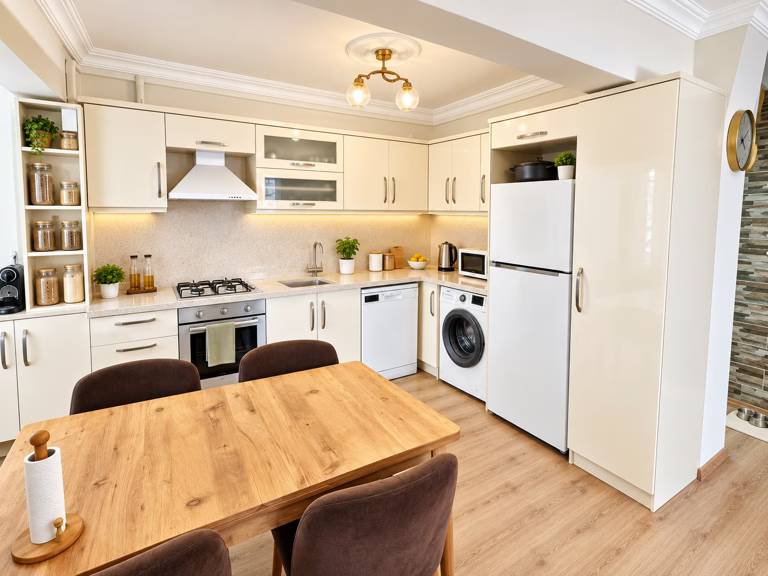
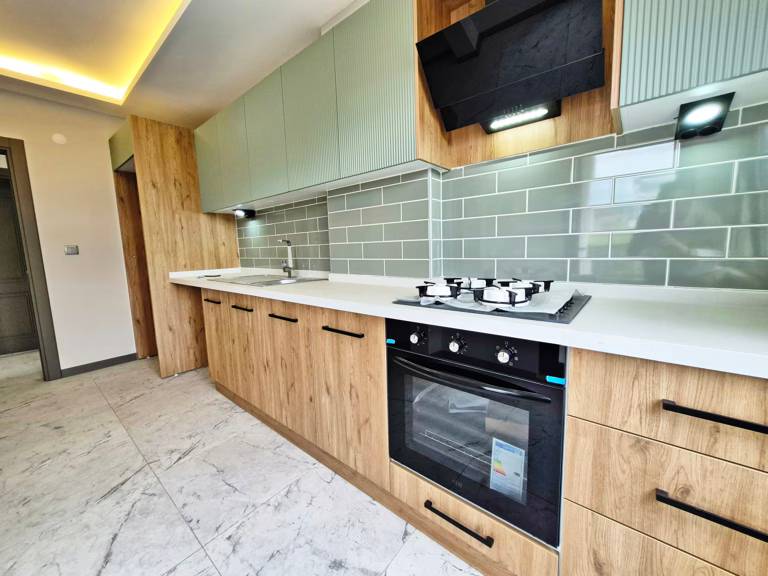
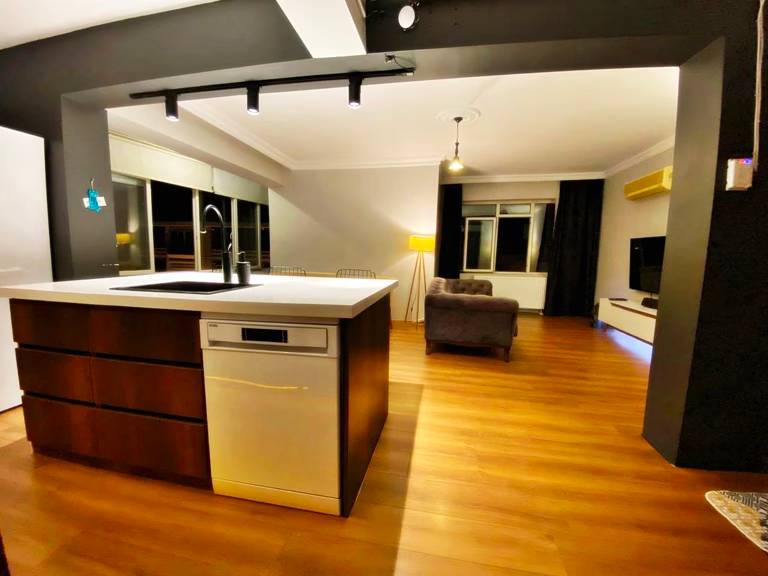
In Akçay, Altınoluk and Güre, renting out holiday homes by the day or week in the summer months is widespread. Law No. 7464, published in the Official Gazette dated 2 November 2023, made the rental of residences for tourism purposes subject to a permit. In this guide we summarize who needs to obtain a permit, the application conditions and the sanctions in the law.
Which rentals are covered?
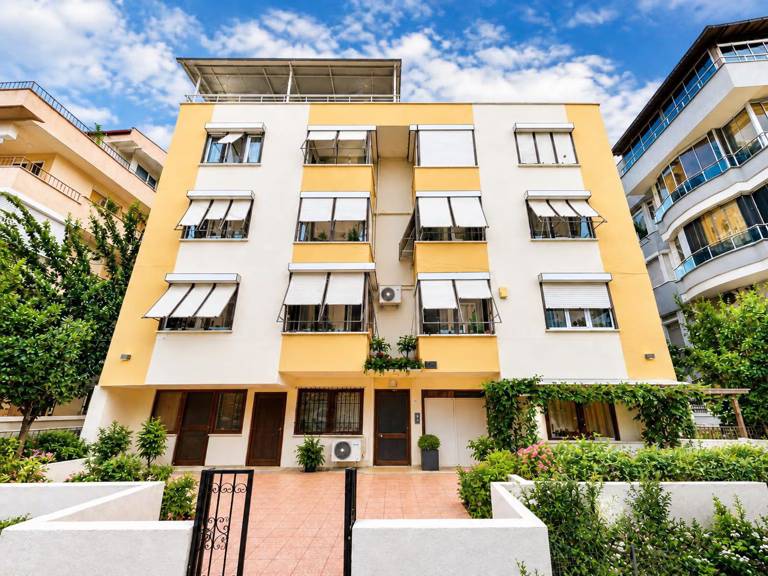
According to the law, tourism-purpose rental is the rental of residences to users for any purpose for a maximum of one hundred days. Rentals of more than one hundred days at a time are outside the scope of the law. The definition of “residence” in the law covers independent units registered for residential purposes in the land register, or on which a residential-purpose condominium easement or condominium ownership exists.
Whose obligation is the permit?
- Under Article 3 of the law, the permit must be obtained before a tourism-purpose rental contract is made.
- The obligation belongs to the lessor. The lessor is the owner of the residence or the holder of a usufruct or superficies right.
- If someone other than the lessor will carry out the activity, rentals can be made only through licensed (A) group travel agencies.
- A plaque, whose characteristics are determined by the Ministry, is hung at the entrance of the residence.
Decision of the unit owners in apartments and complexes
According to the law, in the application it is mandatory to present the decision of suitability taken unanimously by all the unit owners of the building in which the independent unit is located. In complexes made up of more than one building, this requirement is sought only for the building in which the residence to be rented is located, and a copy of the permit is sent to the complex management.
Also, in buildings with more than three independent units, a permit may be granted in the name of the same lessor for at most twenty-five percent of the units. If a permit is requested for more than five units in the same building, additional documents such as a workplace opening and operating license are required.
How is the application made?
According to the Ministry of Culture and Tourism's announcement, permit applications are made only through e-Devlet. The documents requested in the announcement include the following:
- Identity document (identity card or population registry card; passport for foreigners) and, if required, a signature declaration
- Current title deed record
- A building registration certificate issued for residential purposes, or a building use permit
- In apartment units, the decision taken by the unit owners unanimously
- In co-ownership in shares, the documents of the owners who approve the application so as to ensure a majority of shares and co-owners
- In an application by proxy, a notarized power of attorney
Under the law, the Ministry determines the permit and plaque fees; confirm the current fee on the application screen.
Obligations during the rental
- Identity notification: Identity Notification Law No. 1774 applies to permitted residences; the permit holder is responsible for the notification.
- Tourism share: The document showing that the tourism share under Law No. 7183 has been paid must be presented within the period determined by the Ministry.
- Accurate promotion: Misleadingly advertising the residence in listings, failing to meet the promised conditions, or failing to deliver in accordance with the contract is subject to sanctions.
- Change of owner: A change of lessor by a transaction other than inheritance must be notified within thirty days from the registration in the title deed.
- Ban on subletting: A tenant is prohibited from renting out for tourism purposes a residence they rented for their own residence.
Administrative fines written in the law
The amounts written in Article 4 of the law are as follows: for each residence rented without a permit, a fine of TL 100,000 and fifteen days to obtain a permit; if the activity continues after that period, TL 500,000; if it still continues, TL 1,000,000. Fines per contract or per residence are also provided for those who act as intermediaries in the rental of unpermitted residences and for internet platforms that do not remove content despite a warning. Because the administrative fine amounts may be updated over time, the amount to be applied should be confirmed with the Ministry.
The law also provides a fine of TL 1,000,000 for those who rent out the same residence more than four times within one year from the date of the first contract despite making contracts of more than one hundred days each time. Fines starting from TL 50,000 are also written for violations of obligations such as not sending information and documents requested by the Ministry within thirty days. If a natural person who is the permit holder dies, the permit becomes invalid if the heirs do not apply within three months; the users' rights continue until the end of the contract.
Checklist before starting
- Verify that the residence is of residential nature in the title deed.
- Check that there is a building use permit or a building registration certificate issued as a residence.
- If you are in an apartment, take a unanimous decision at the unit owners' meeting.
- Make your application through e-Devlet and do not publish a listing until the permit is issued.
- Set up a routine for identity notification and tourism share procedures.
- Plan the tax declaration of the rental income separately.
Aktif Emlak can guide home owners who want to rent out their holiday home in the Edremit Gulf on the steps of the process and the necessary documents.